info@biggametrailadventures.com
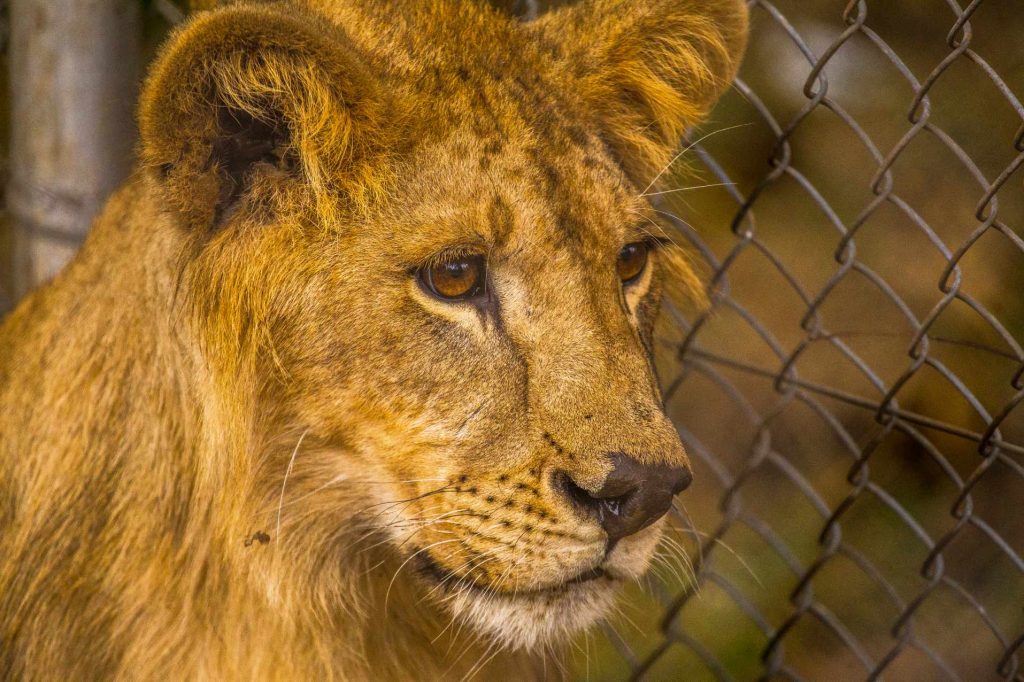
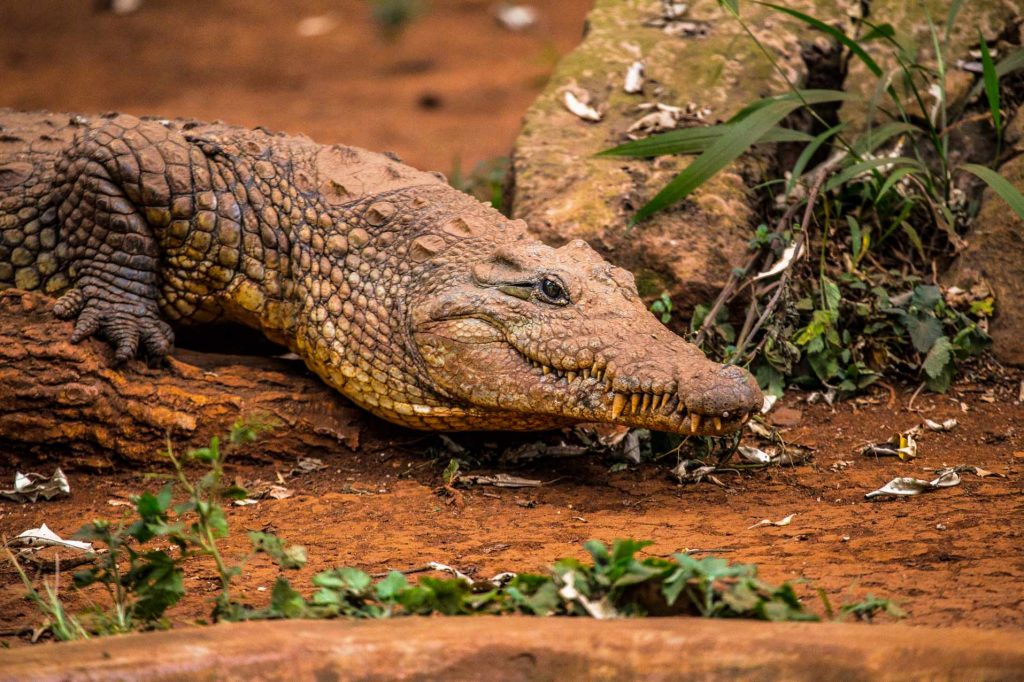
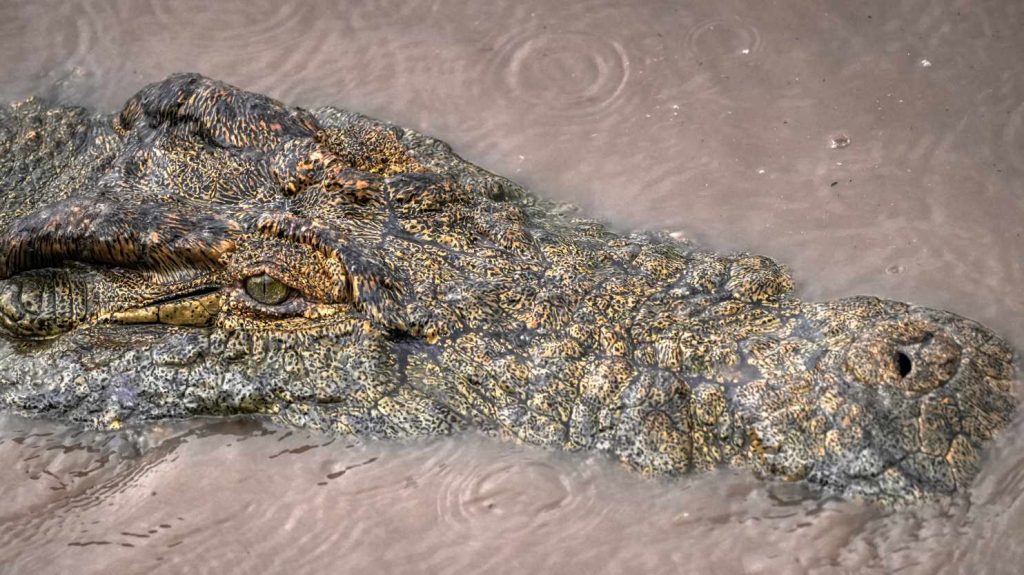
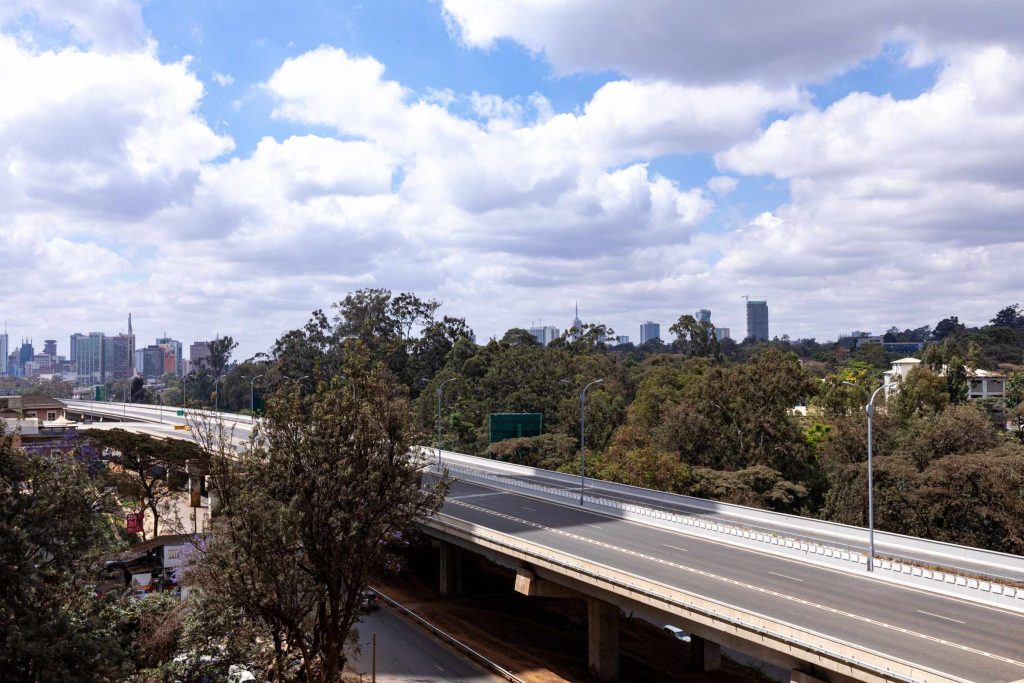

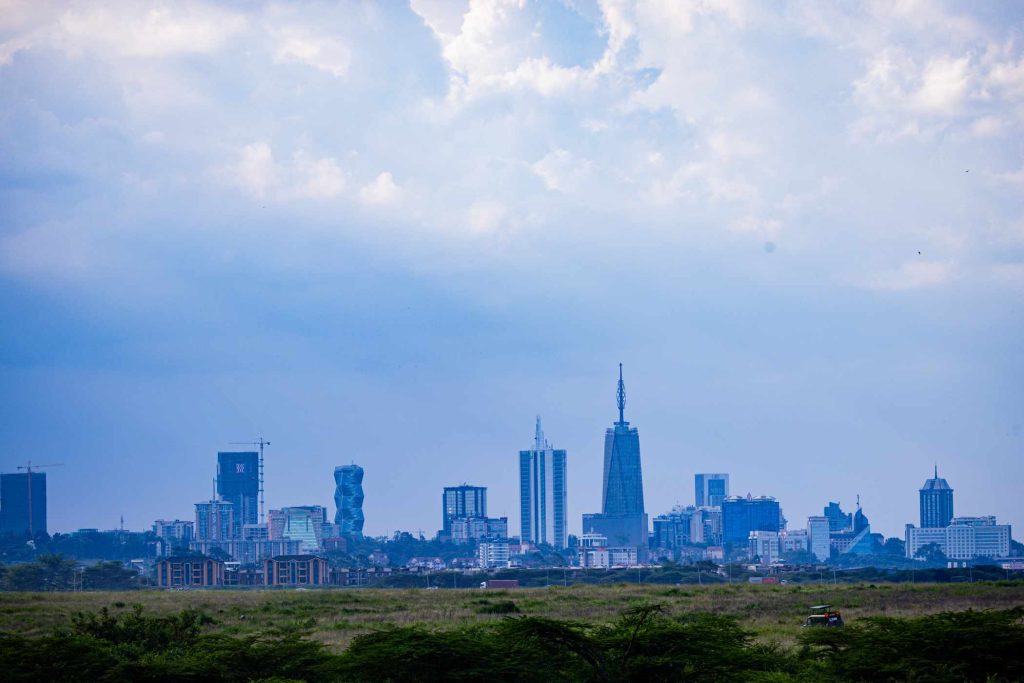
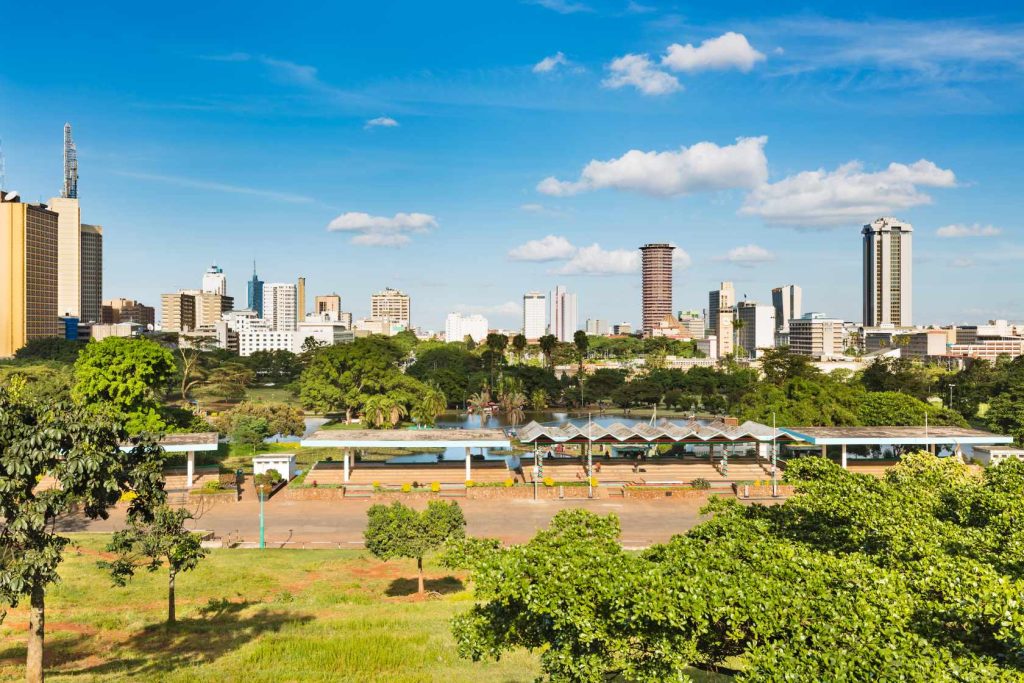
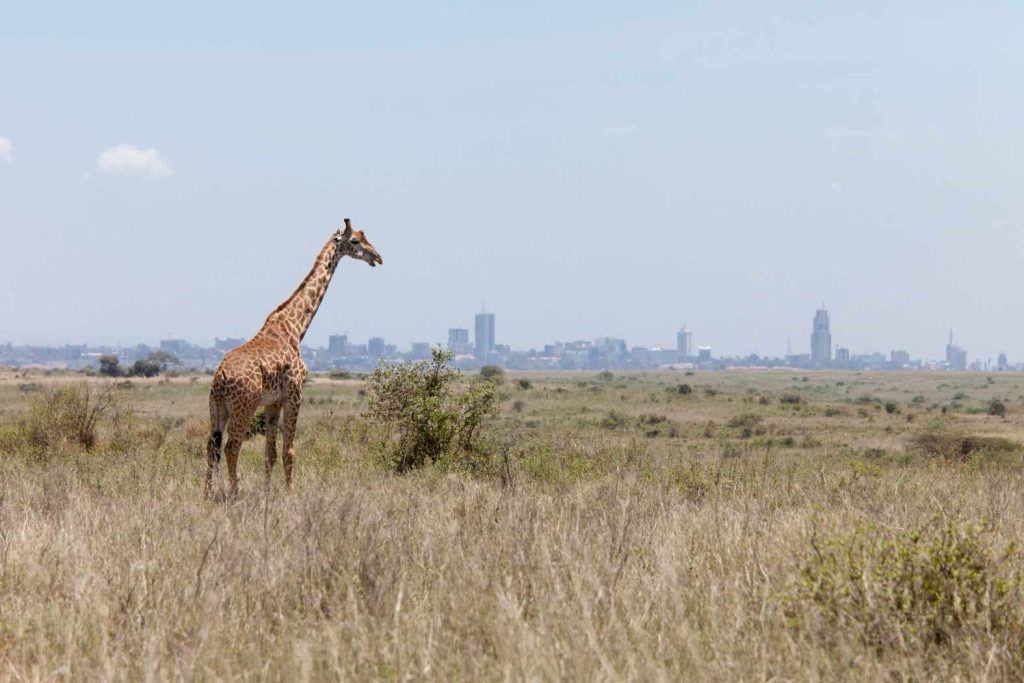
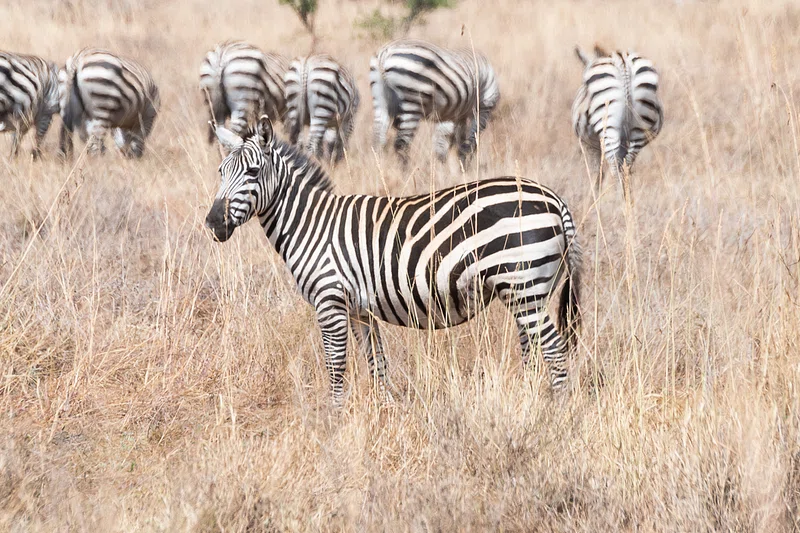
Nairobi National Park presents one of the world’s most extraordinary conservation stories: a complete safari ecosystem existing just 7 kilometers from a bustling capital city’s central business district. As the world’s only national park bordering a capital city, it offers the surreal experience of photographing lions, rhinos, and giraffes with Nairobi’s skyline visible in the background. This 117-square-kilometer protected area serves as both a vital wildlife corridor and a remarkable testament to Kenya’s conservation commitment.
Predator-Rich Ecosystem
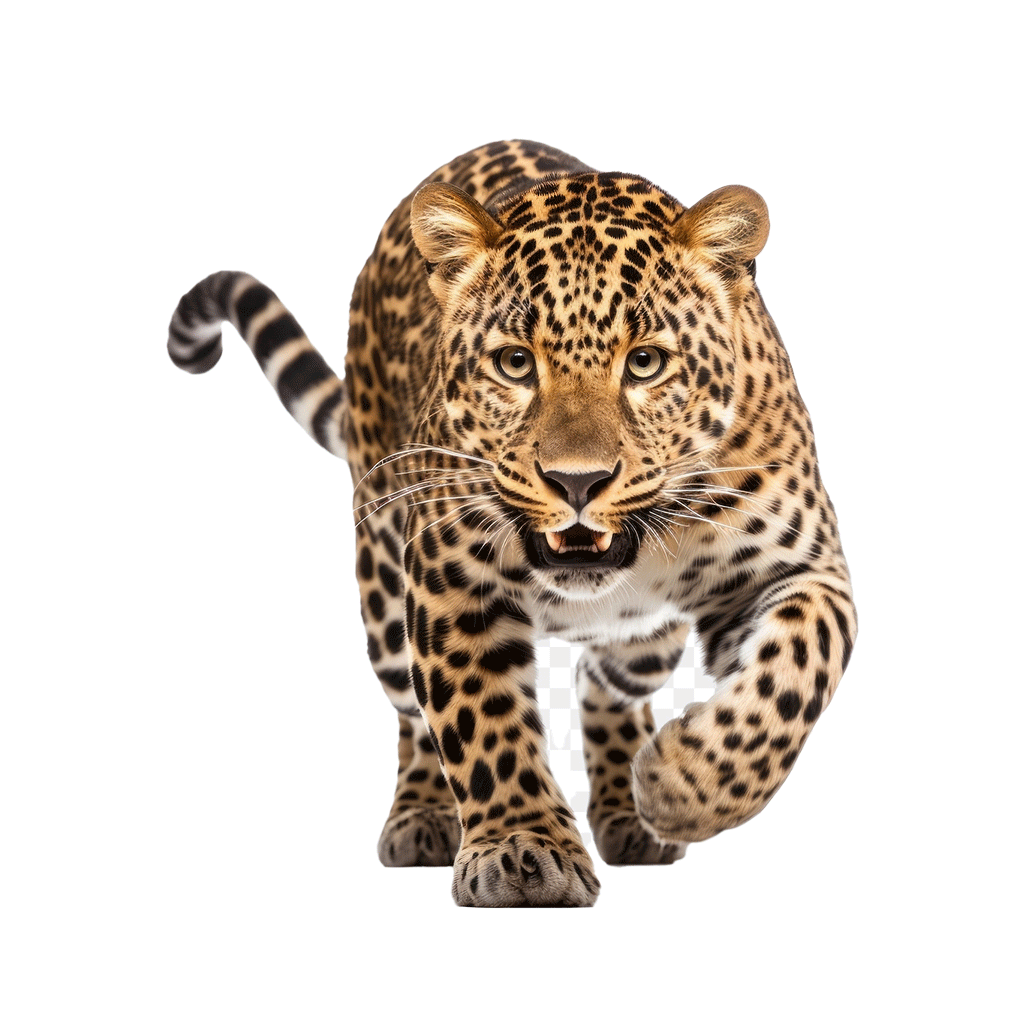
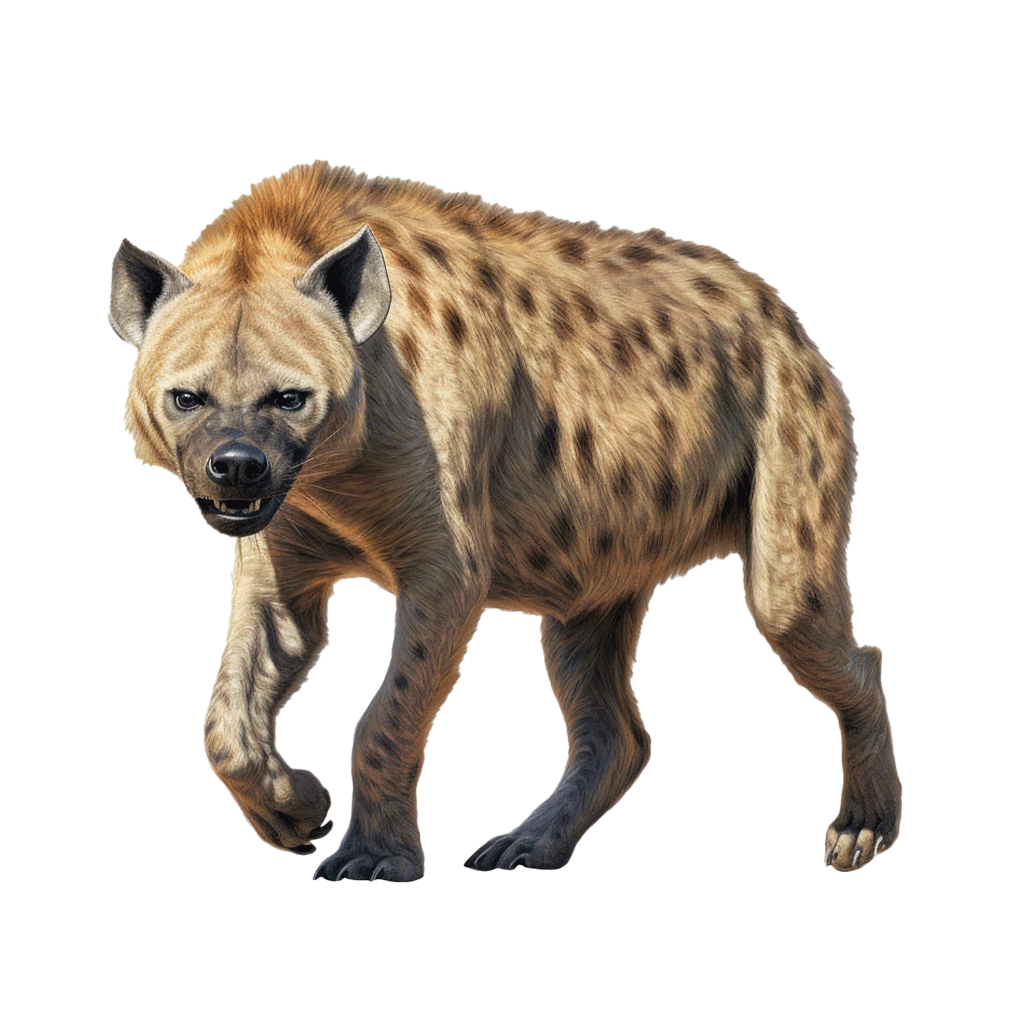
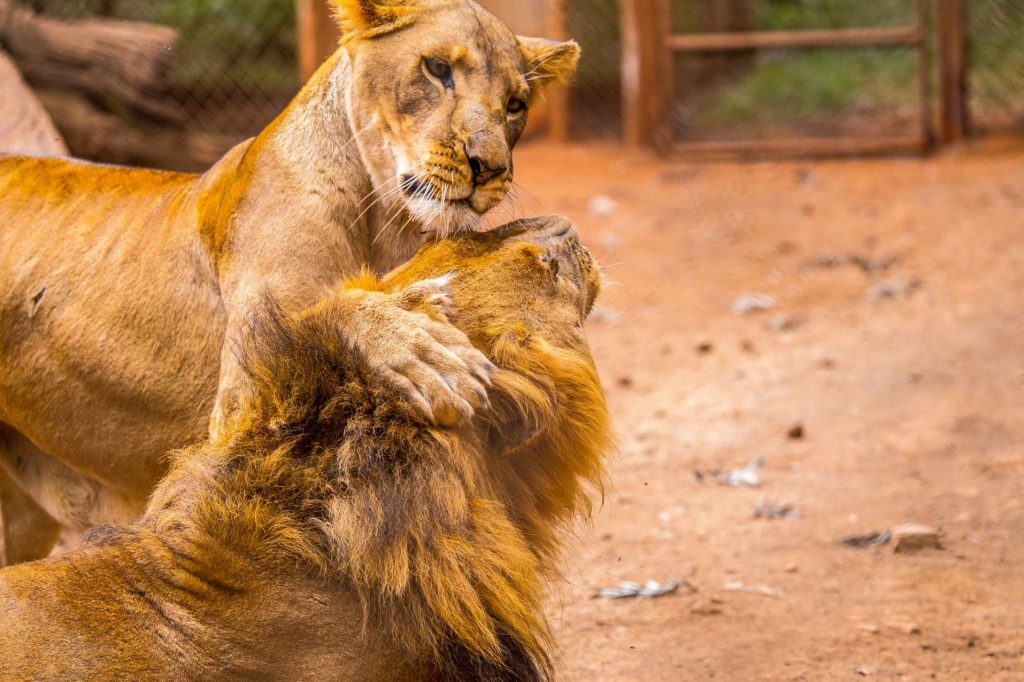
Despite its urban proximity, the park supports a thriving predator population with regular sightings of lions, leopards, and hyenas. The open plains and acacia woodlands create ideal hunting grounds, while the Mbagathi River provides a permanent water source. The park’s southern boundary remains unfenced, allowing traditional animal migration patterns to continue between the park and the Athi-Kapiti plains.
Rhino Sanctuary Success
Nairobi National Park functions as a critical stronghold for the endangered black rhinoceros, hosting one of Kenya’s most successful rhino sanctuaries. The park’s security measures and controlled environment have made it a cornerstone of rhino conservation efforts in East Africa, offering visitors exceptional viewing opportunities of these prehistoric creatures.
Accessible Wildlife Experience
The park’s proximity to both the city center and Jomo Kenyatta International Airport (approximately 20 minutes) makes it uniquely accessible for travelers with limited time. Well-maintained roads throughout the park enable productive half-day or full-day game drives, while designated picnic sites like the Ivory Burning Site provide historical context alongside wildlife viewing.
Integrated Conservation Circuit
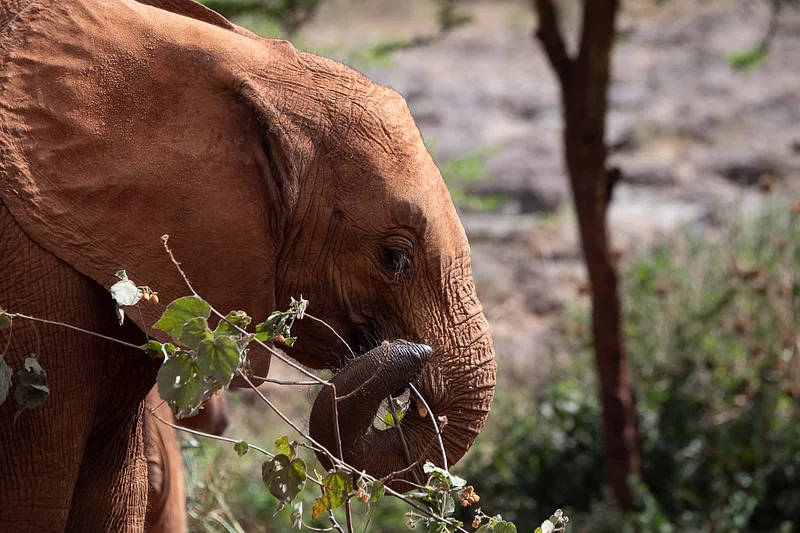
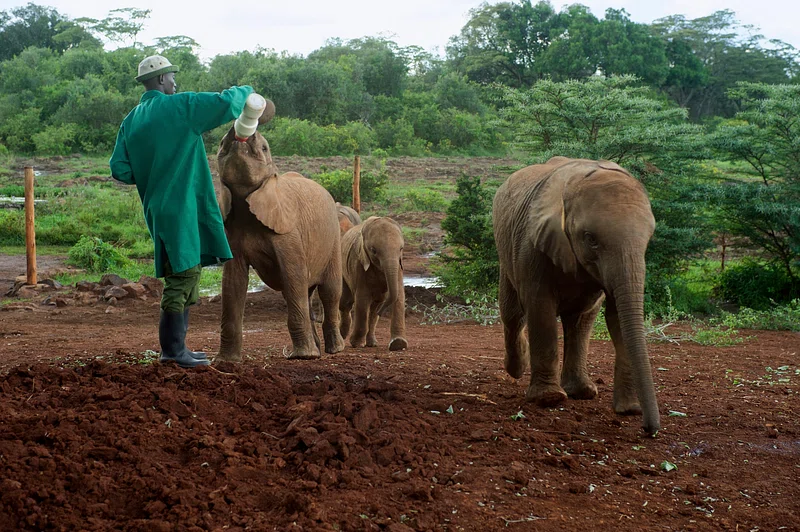
The park forms the anchor of Nairobi’s unique conservation triangle, complemented by the adjacent Nairobi Safari Walk (an educational boardwalk experience), the David Sheldrick Wildlife Trust Elephant Orphanage (fostering rescued elephants), and the Giraffe Centre (endangered Rothschild’s giraffe conservation). This concentration of conservation facilities within a 15-kilometer radius offers an unparalleled wildlife education experience.
Birdwatcher’s Paradise
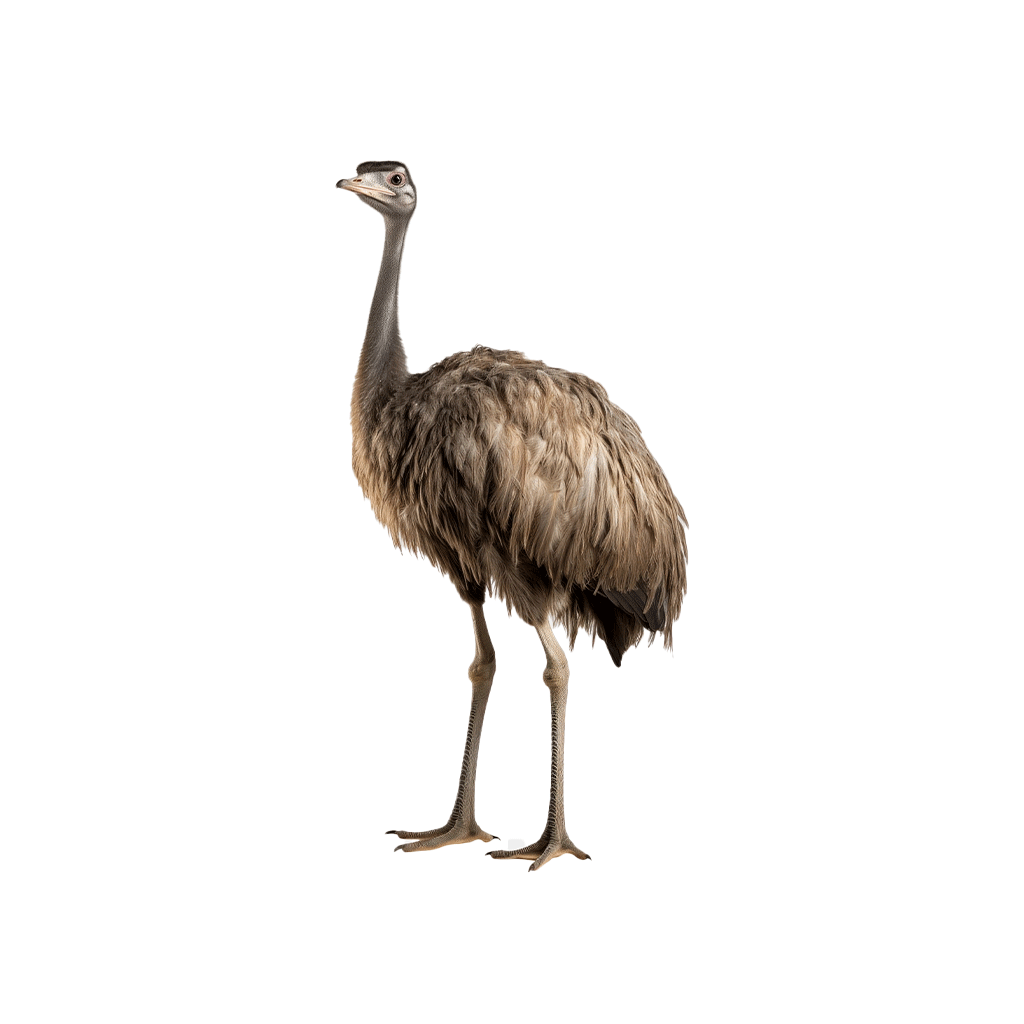
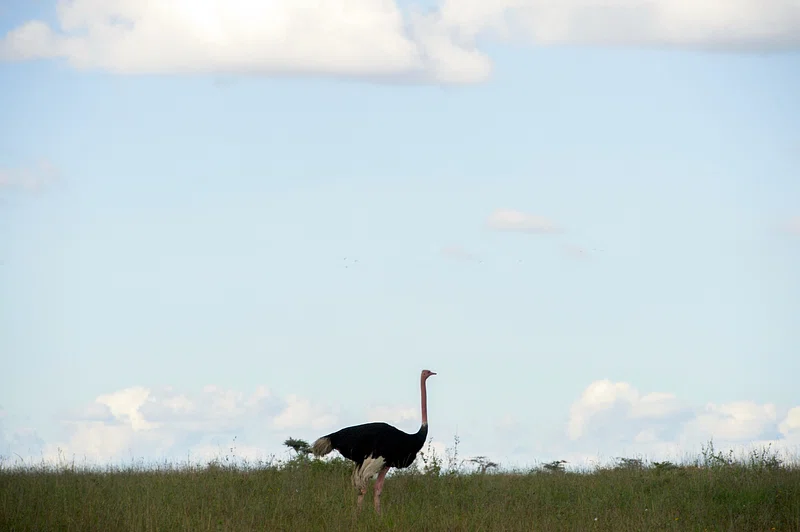
With over 500 recorded bird species, the park serves as an important avian habitat, particularly for grassland specialists and migratory species. Key sightings include the majestic ostrich, secretary birds, several vulture species, and numerous raptors, alongside seasonal migrants that utilize the wetlands along the river system.
Best Time to Visit
Year-round accessibility: The park offers consistent wildlife viewing throughout the year
Dry seasons (June-September, January-February): Optimal for predator sightings as animals concentrate around water sources
Green season (March-May, October-November): Lush landscapes, excellent birding, and fewer visitors
Early mornings: Best for predator activity and clear photographic conditions with the city backdrop
Conservation Legacy
The park’s history includes the iconic 1989 ivory burning site, where President Daniel arap Moi set fire to 12 tons of confiscated ivory in a landmark statement against poaching. This symbolic act cemented Kenya’s global conservation leadership and established the park as both a wildlife sanctuary and a monument to conservation ethics.
Practical Information
Location: Southern Nairobi, approximately 7km from the city center
Park hours: 6:00 AM to 6:00 PM daily
Accessibility: Paved road to main gate, well-maintained murram roads inside park
Facilities: Picnic sites, basic toilets, and the Nairobi Safari Walk at the main entrance
Nairobi National Park redefines urban planning, proving that wilderness and development can coexist when conservation receives priority. It offers not just a convenient safari alternative, but a profound statement about humanity’s capacity to preserve wild spaces against expanding urbanization—a living symbol of Kenya’s conservation vision where skyscrapers don’t mark the end of wilderness, but rather its determined neighbor.
+254 722 254085
+254 722 254085