info@biggametrailadventures.com
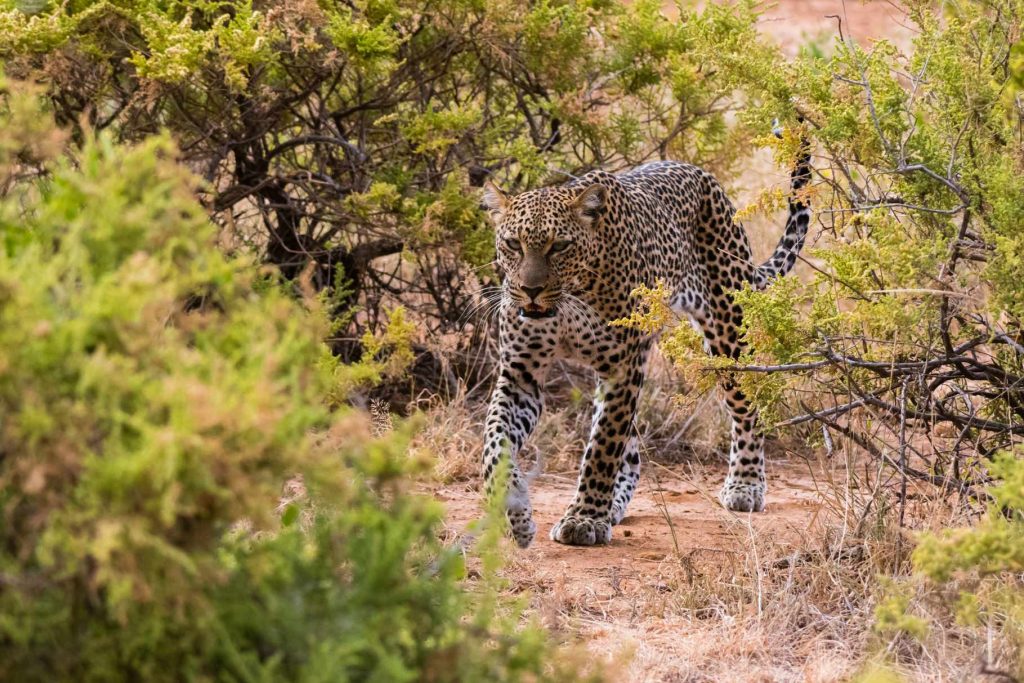
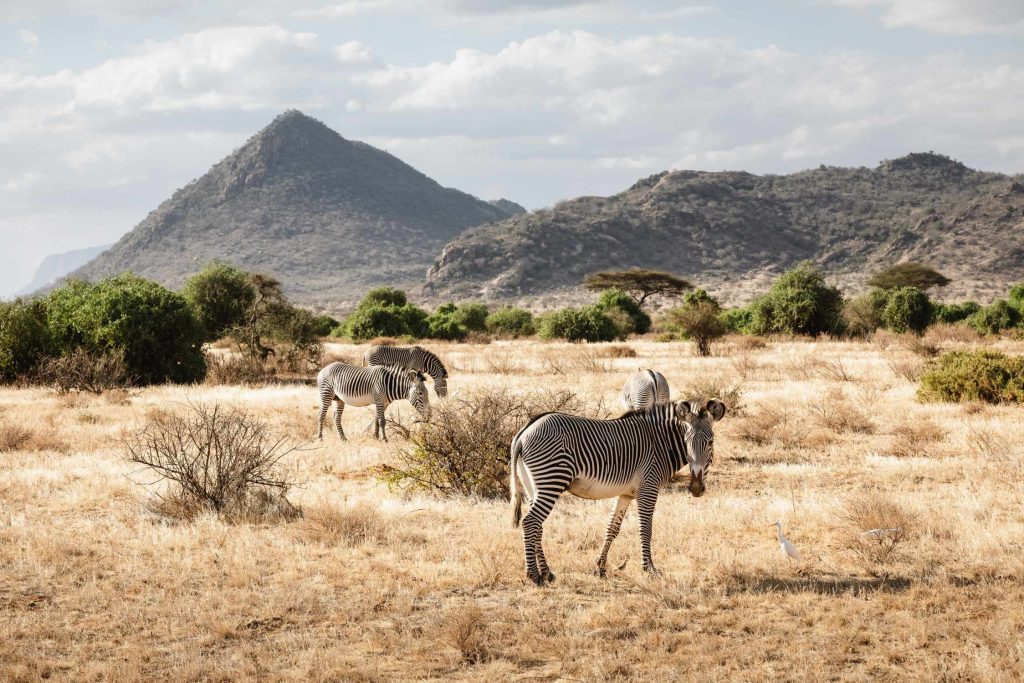
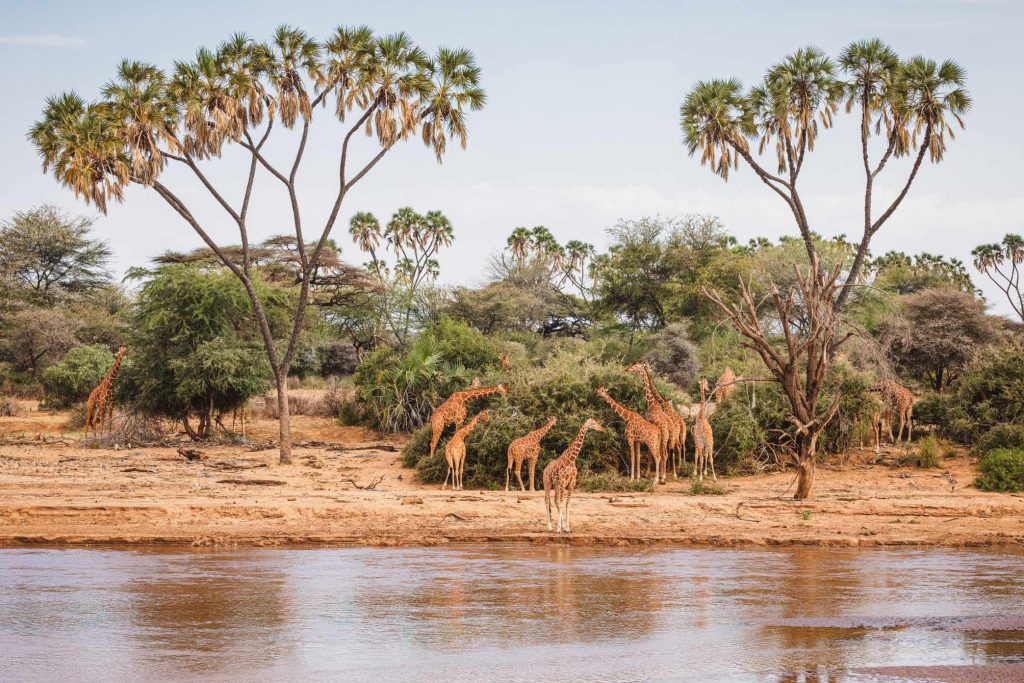
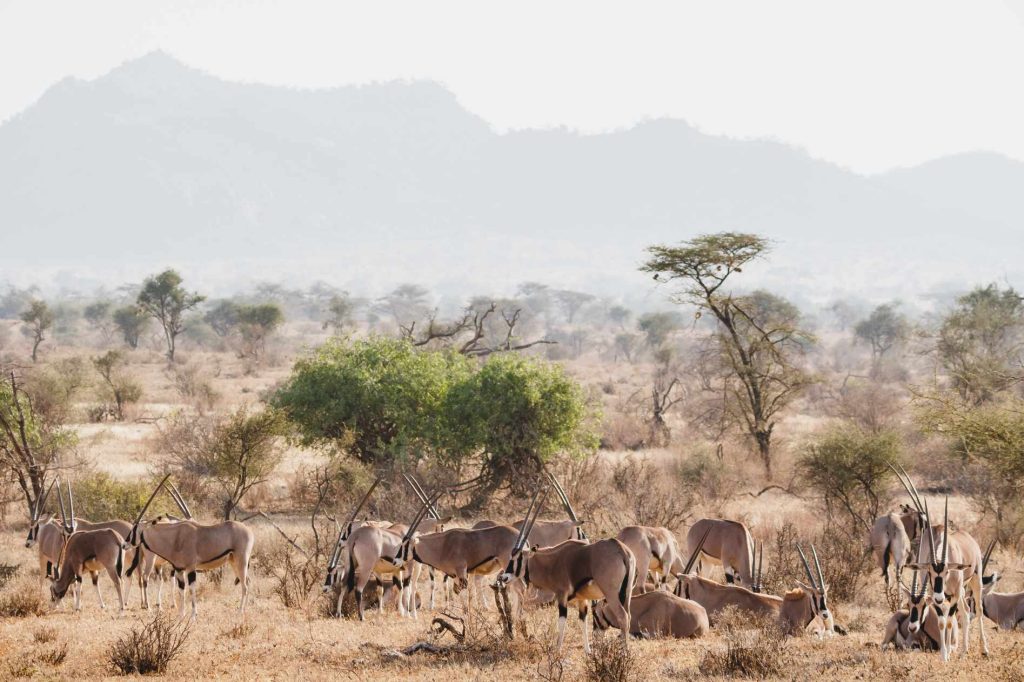
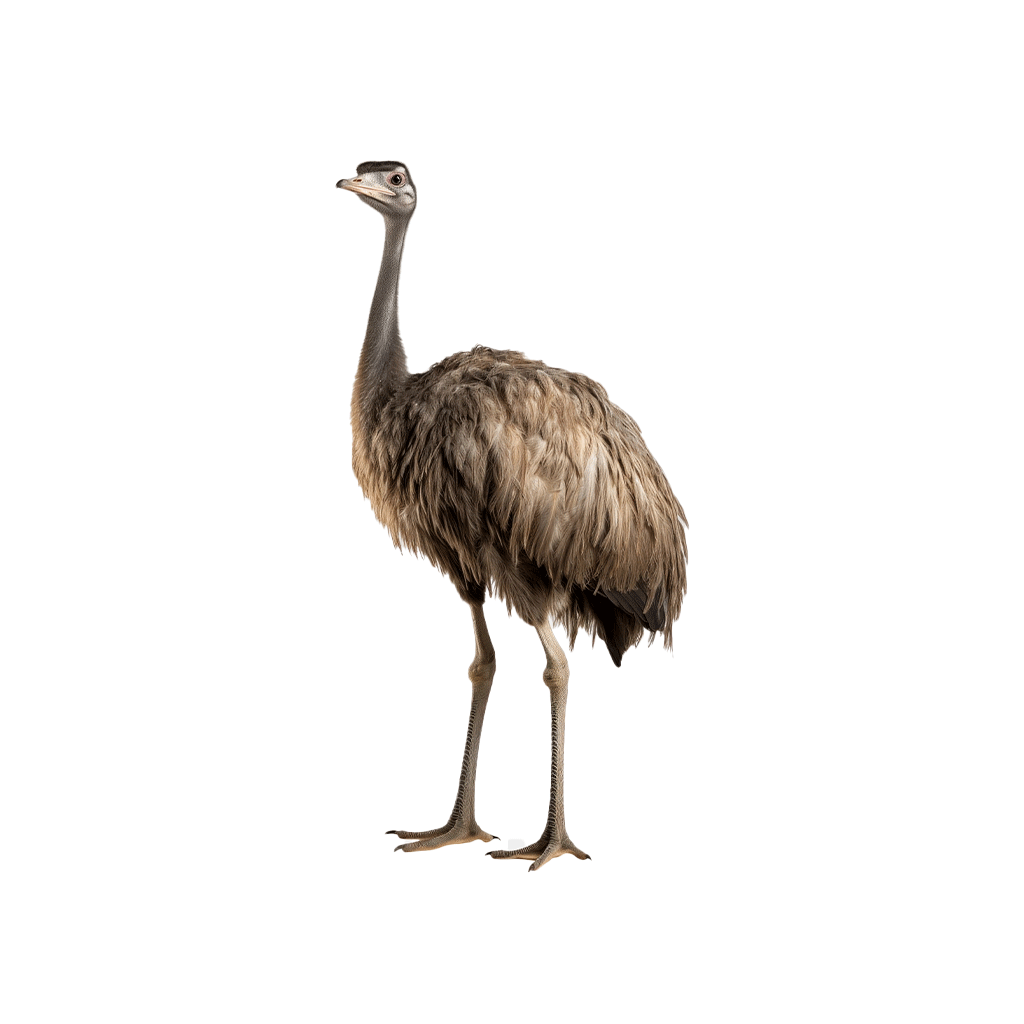
Samburu National Reserve protects a breathtakingly beautiful, arid wilderness in northern Kenya where unique species found nowhere else in the country thrive. Centered around the life-giving Ewaso Ng’iro River, this reserve is famous for the “Samburu Special Five”—five rare northern species that define the safari experience here: the delicately patterned reticulated giraffe, the endangered Grevy’s zebra with its narrow stripes, the long-necked gerenuk antelope that stands on hind legs to feed, the elegant beisa oryx with its rapier-like horns, and the distinctive Somali ostrich with its blue legs.
Riverine Oasis & Elephant Paradise
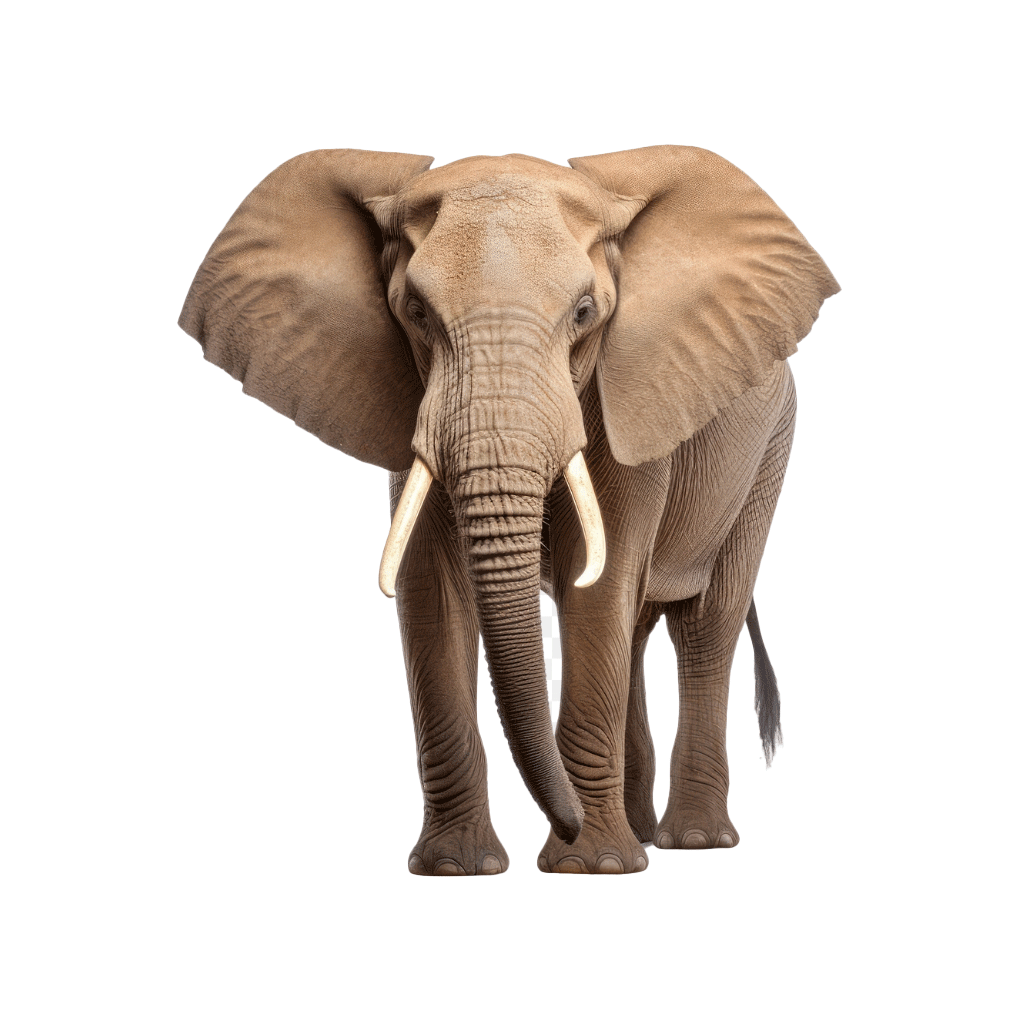
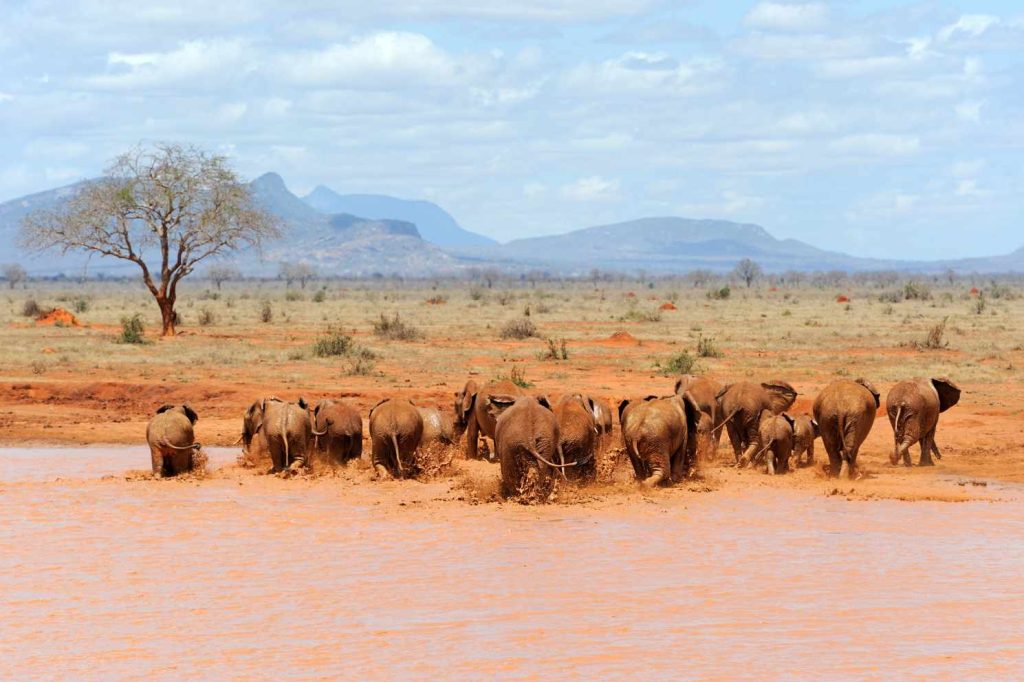
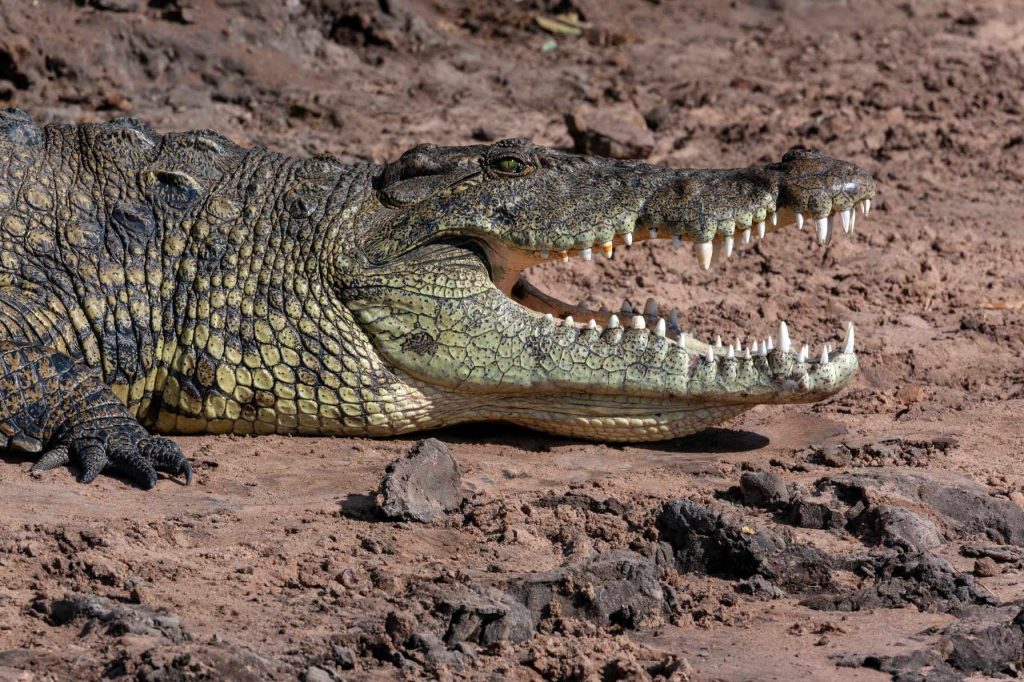
The Ewaso Ng’iro River creates a ribbon of green through the semi-desert landscape, attracting massive congregations of wildlife. Over 900 elephants regularly gather here, creating some of Kenya’s most spectacular elephant viewing opportunities. The river’s brown waters also hide Nile crocodiles, while the doum palm-fringed banks provide shade for predators and prey alike. This stark contrast between arid plains and lush riverine forest creates dramatic photographic opportunities and supports an incredible density of wildlife.
Predator Kingdom & Conservation Legacy
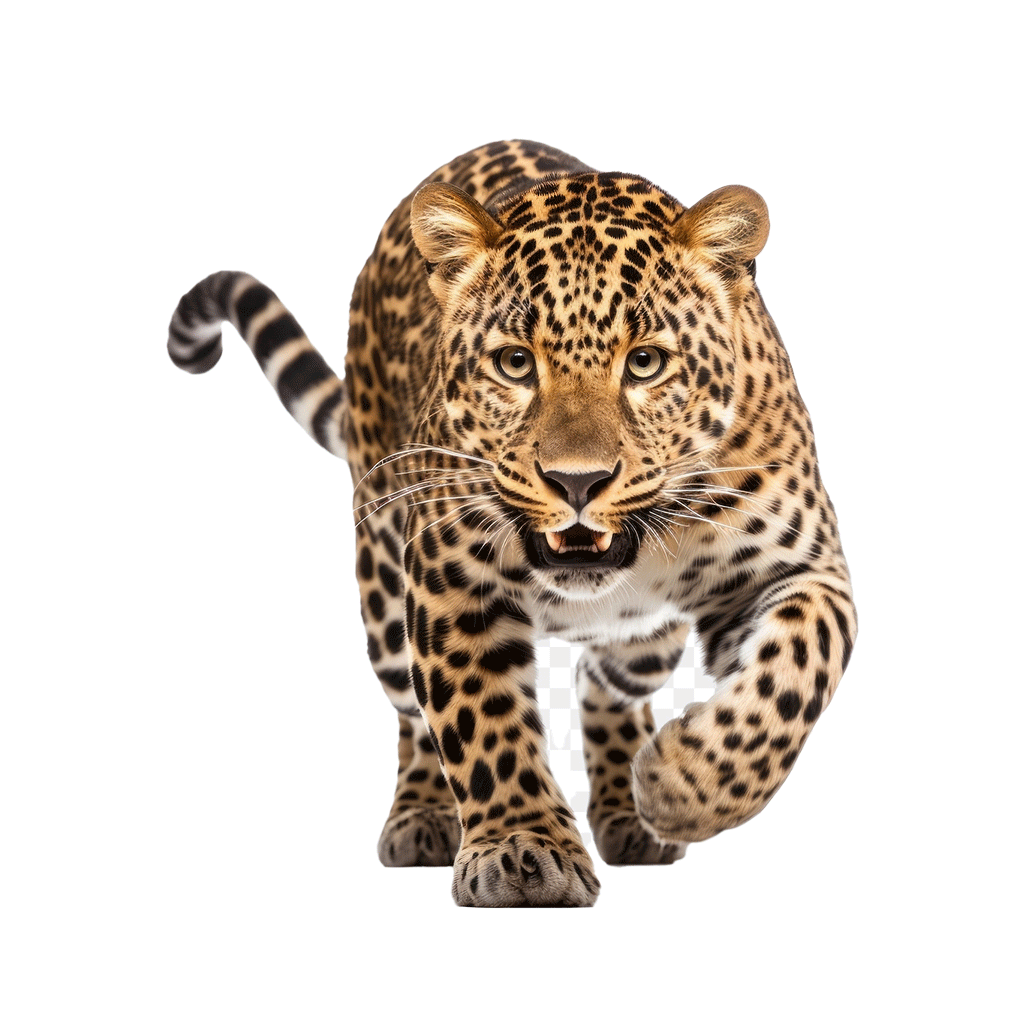
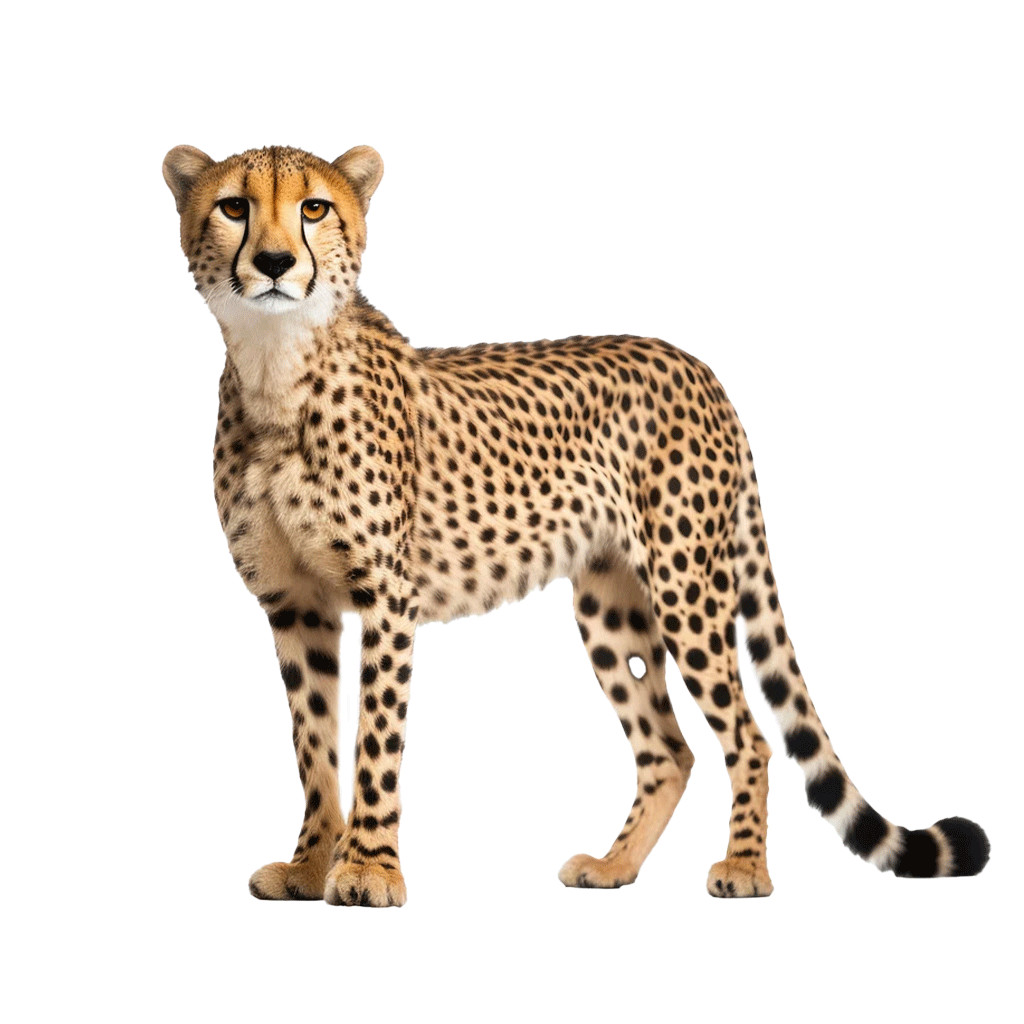
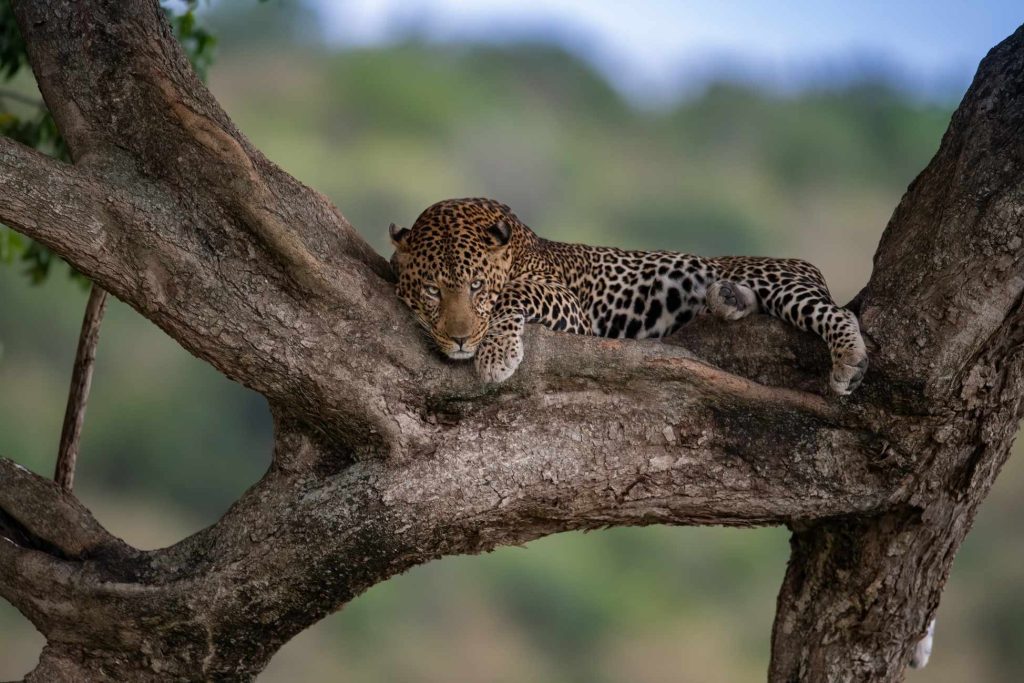
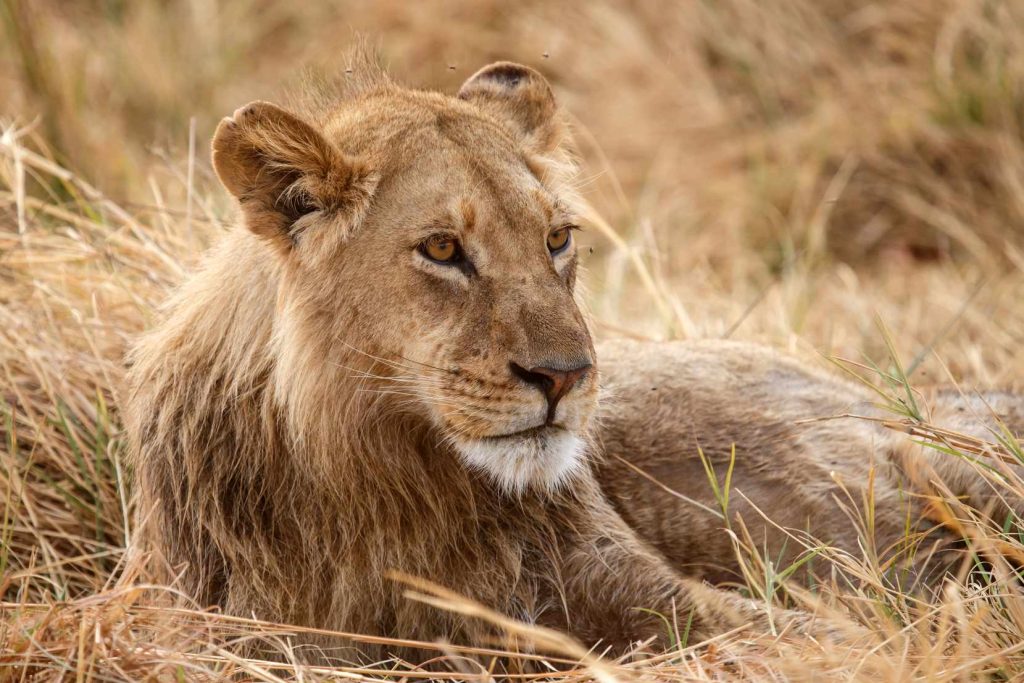
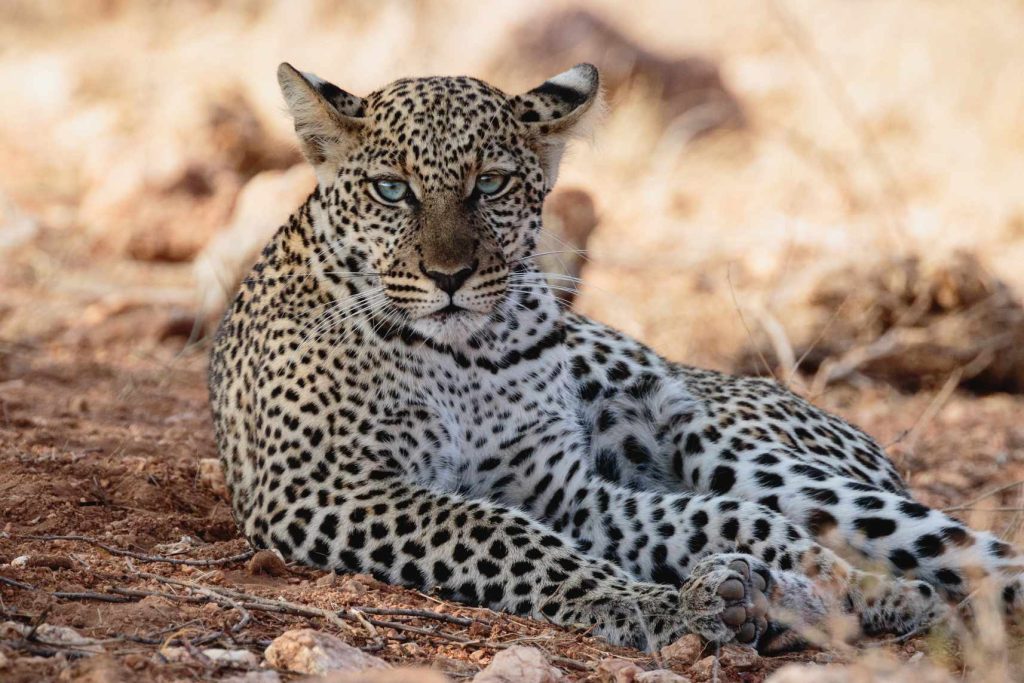
Samburu boasts healthy populations of lions, leopards, and cheetahs, with the reserve gaining international fame through “Kamunyak”—the miraculous lioness who famously adopted and protected a baby oryx. The area also offers exceptional opportunities to spot the endangered African wild dog. The reserve’s remote location has preserved its wilderness character, with fewer vehicles and a more authentic safari experience than many southern parks.
Cultural Heartland of the Samburu People
The reserve is named for and exists alongside the Samburu people, semi-nomadic pastoralists closely related to the Maasai but with distinct traditions, vibrant red attire, and intricate beadwork. Authentic cultural visits to nearby manyattas (villages) provide deep insight into a way of life that has coexisted with wildlife for centuries. Many safari guides are Samburu warriors themselves, offering unparalleled tracking skills and ecological knowledge passed down through generations.
Avian Wonderland in the Desert
Despite the arid environment, Samburu hosts over 450 bird species, including numerous dry-country specialists. The riverine forest attracts kingfishers, eagles, and vultures, while the open plains are home to the striking vulturine guineafowl, secretary birds, and various bustards. The varied habitats—from riverine woodland to open savannah and rocky outcrops—create exceptional birding opportunities year-round.
Climate & Best Visiting Times
Samburu experiences a hot, arid climate with average temperatures around 30°C (85°F). The reserve is accessible year-round, but optimal viewing occurs during the dry seasons (December-March and July-October) when wildlife concentrates along the river. The green seasons (April-May and November) transform the landscape with lush vegetation and offer excellent birding, though some animals disperse into the surrounding areas.
Accessibility & Accommodation
Located approximately 345km north of Nairobi (5-6 hour drive), Samburu feels wonderfully remote. The journey itself is an adventure, passing through dramatic landscapes and traditional Samburu lands. Accommodations range from luxurious tented camps along the river to more modest lodges, all offering the chance to fall asleep to the sounds of the African wilderness. Many properties employ local Samburu staff and support community initiatives, ensuring your visit benefits the people who call this region home.
Conservation Success Story
Samburu represents a successful model of community-based conservation, where wildlife protection and local livelihoods are intertwined. The reserve works closely with neighboring communities to mitigate human-wildlife conflict and create economic benefits from tourism. This collaborative approach has led to increasing wildlife numbers and improved protection for endangered species like the Grevy’s zebra and African wild dog.
Why It’s Special
Samburu offers what many safari destinations have lost: a genuine sense of wilderness discovery. The combination of unique wildlife, dramatic landscapes, authentic cultural encounters, and minimal crowds creates a safari experience that feels both adventurous and intimate. It’s a place where you can watch a leopard descend a riverbank at dusk, hear the stories of Samburu elders around a fire, and witness elephant families crossing the river at sunrise—all in one of Kenya’s most beautifully stark environments.
+254 722 254085
+254 722 254085