info@biggametrailadventures.com
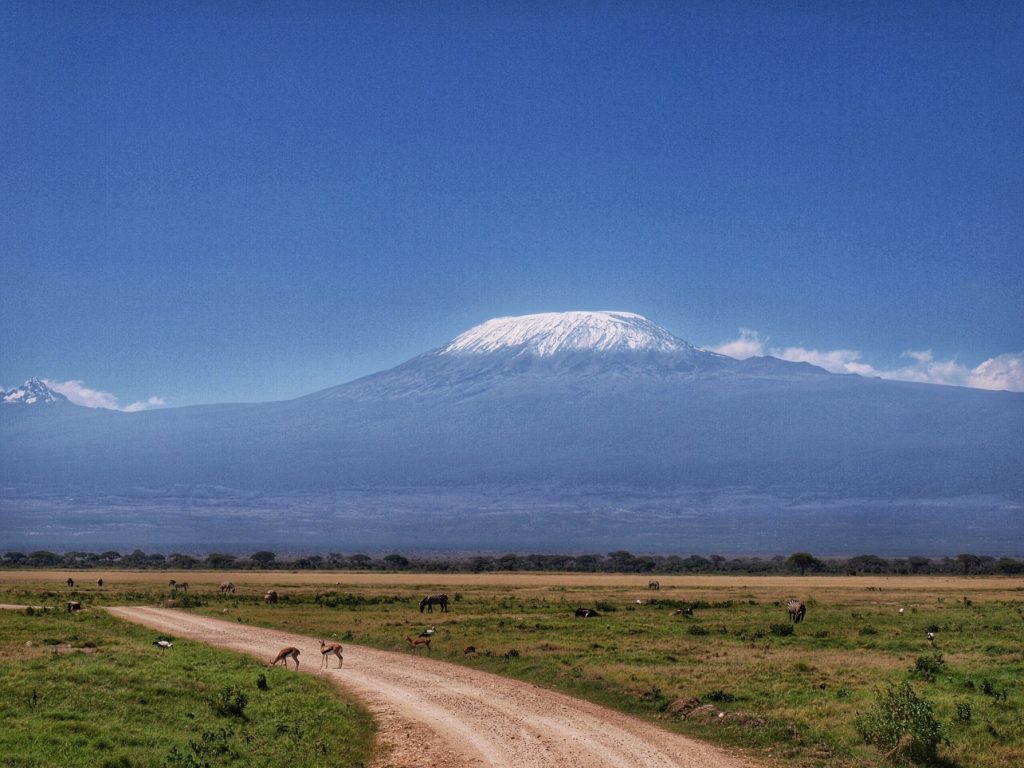
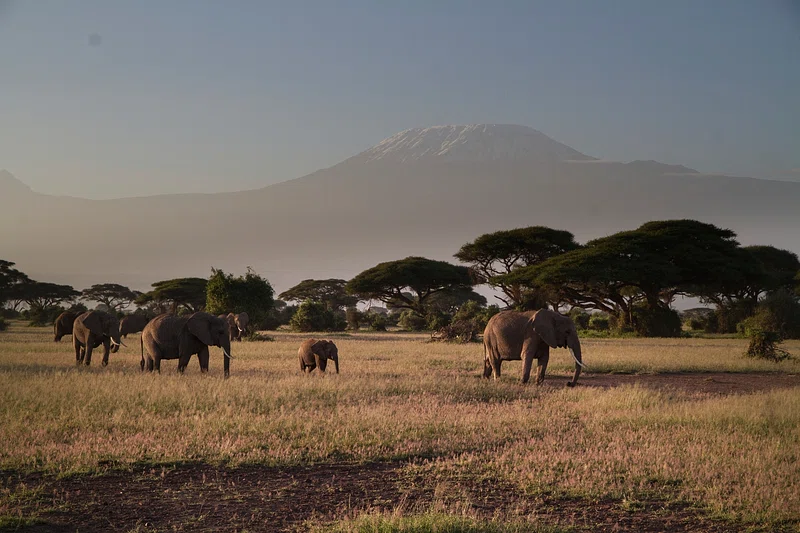
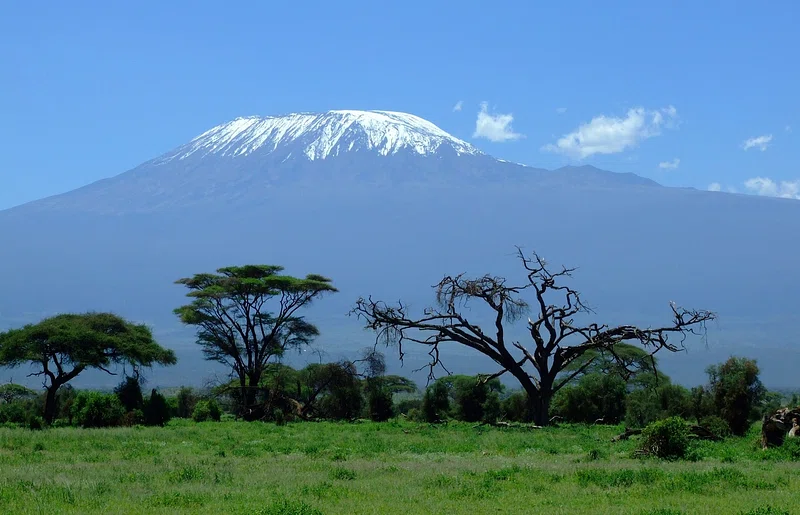
Amboseli National Park is the quintessential African safari experience, world-renowned for its large elephant herds roaming free against the majestic Mount Kilimanjaro. This park combines easy accessibility with raw, untamed wilderness, offering some of the continent’s most reliable and photogenic wildlife viewing.
Amboseli National Park is located in southern Kenya’s Kajiado County, directly on the border with Tanzania. Encompassing 392 sq km, it serves as the protected core of the vast Greater Amboseli Ecosystem (over 5,700 sq km), which includes critical community conservancies and wildlife dispersal areas essential for migration.
The park’s defining feature is its unobstructed, panoramic view of Mount Kilimanjaro. While the mountain itself is in Tanzania, Amboseli provides the classic, postcard-perfect vantage point of its snow-capped peak rising from the savannah—a unique geographical advantage.
Located approximately 240 km (a 4-5 hour drive) southeast of Nairobi, Amboseli is seamlessly accessible for both short itineraries and extended safari circuits.
Amboseli’s ecosystem is surprisingly diverse, supporting a wide array of species:
Key Mammals:
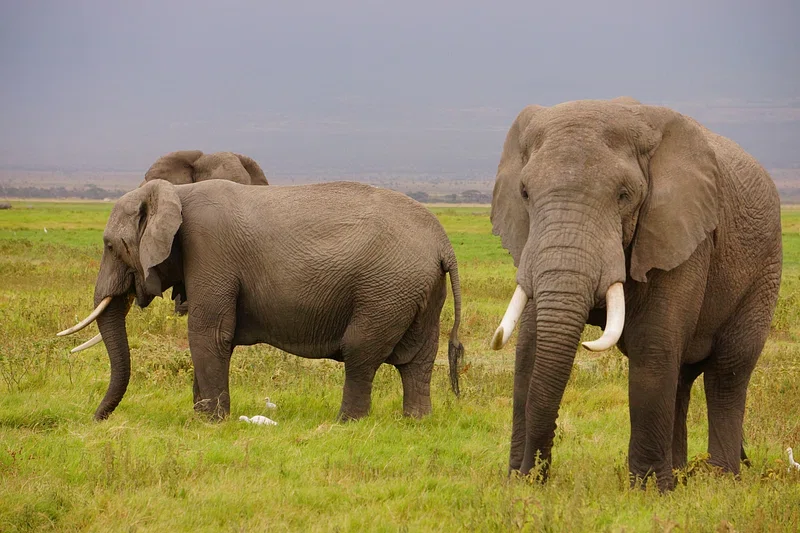
Elephants: The iconic attraction, seen in large, relaxed herds.
Predators: Lion prides (often resting in swamp-side palms), cheetah, and elusive leopard.
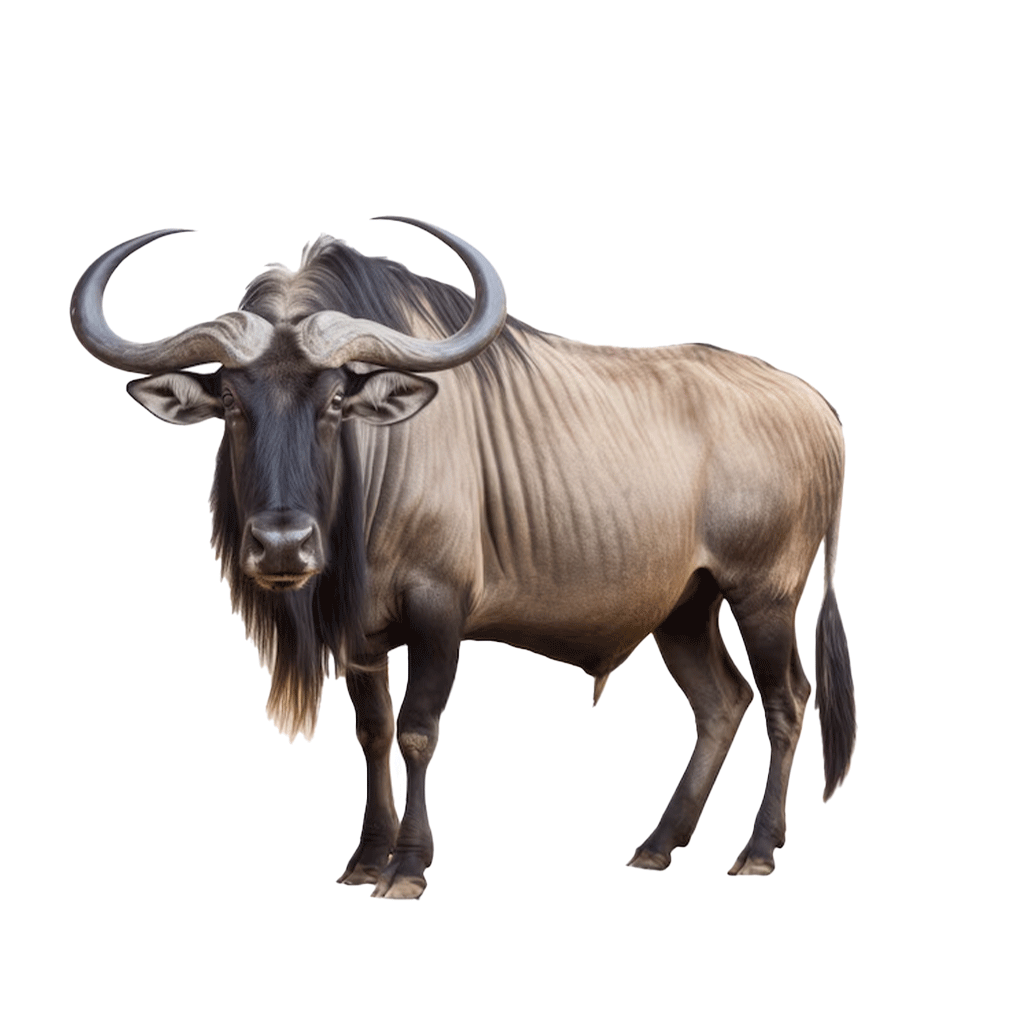
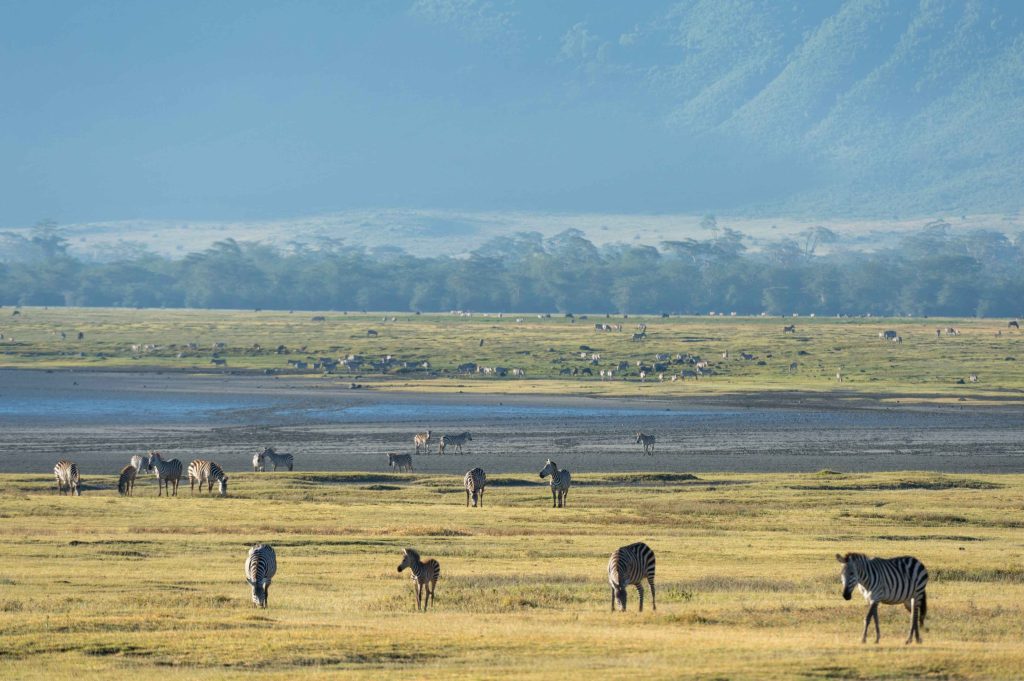
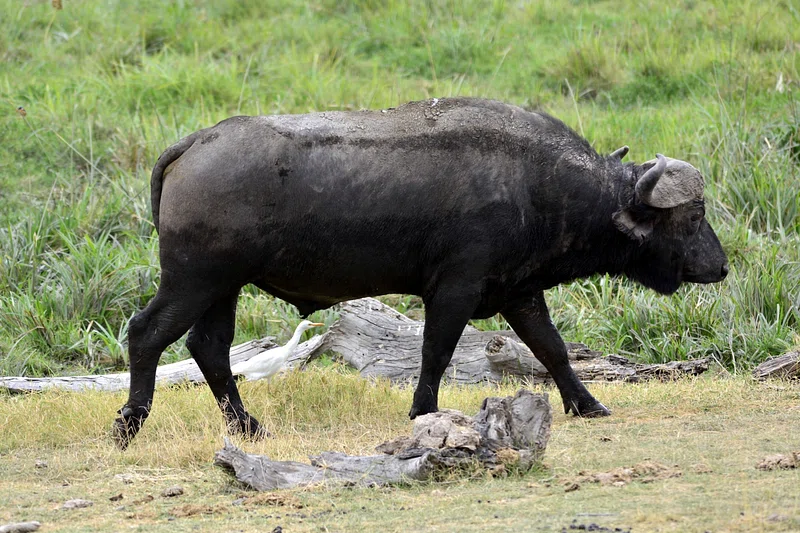
Herbivores: Large populations of buffalo, Maasai giraffe, zebra, wildebeest, and impala.
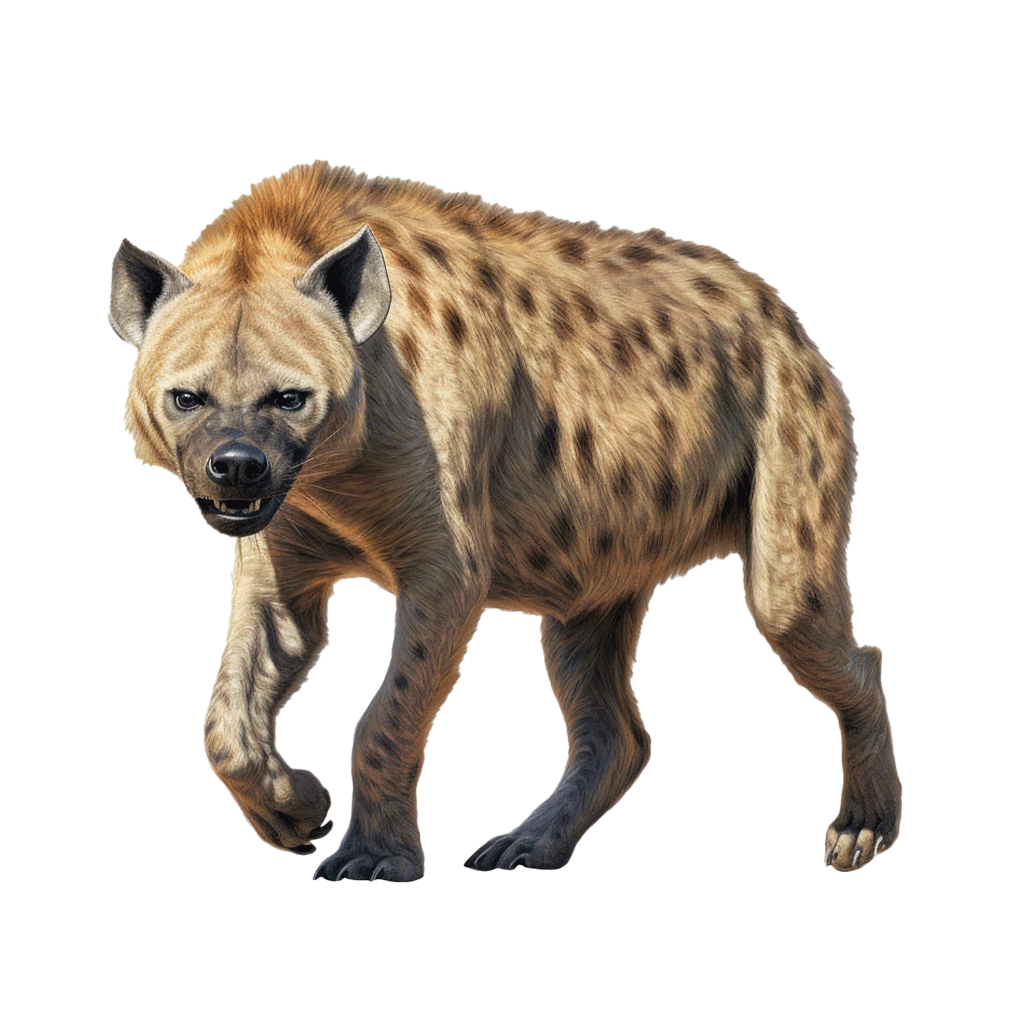
Specialists: Hippo in the swamps, hyena, and nocturnal species like bat-eared fox.
Birdlife (400+ Species):
The permanent wetlands are a birdwatcher’s paradise, attracting:
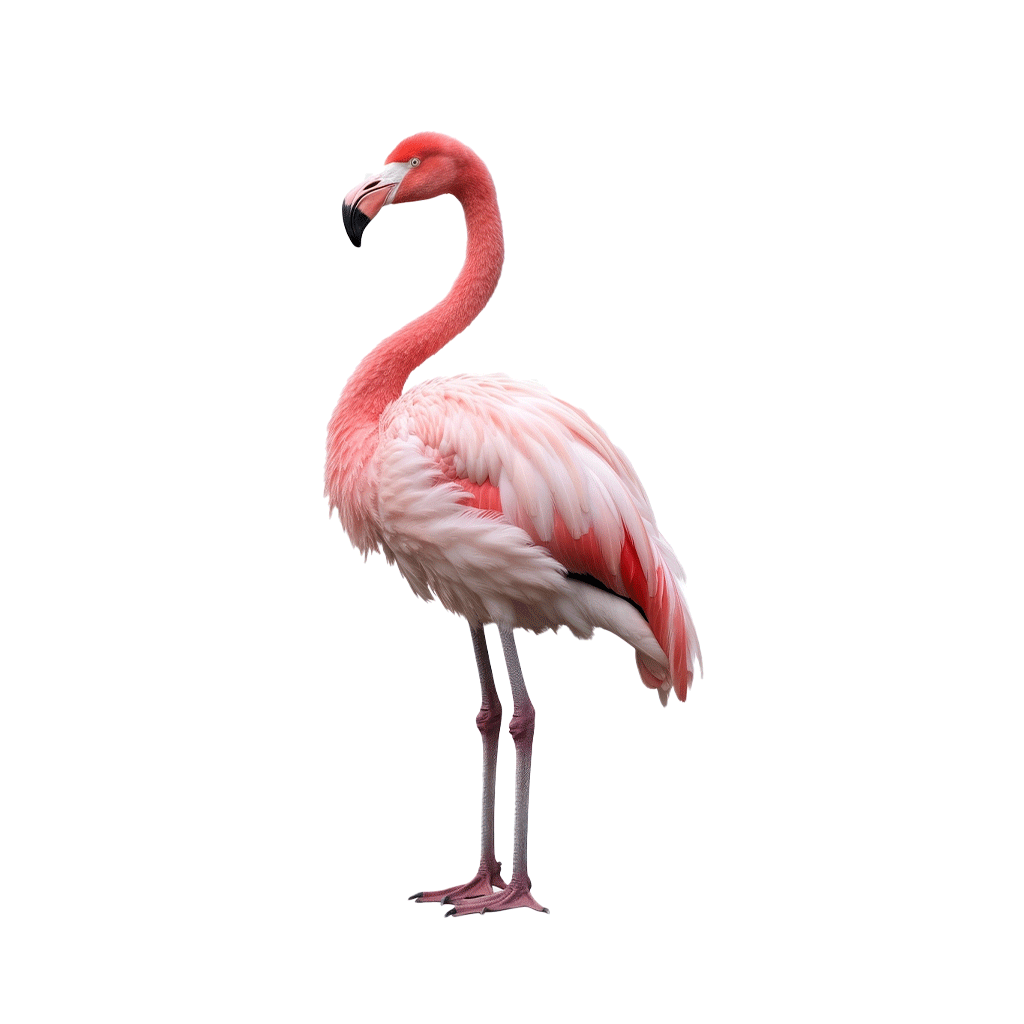
Waterbirds: Flamingos, pelicans, saddle-billed storks, and various herons.
Raptors: African fish eagle, martial eagle, and secretary bird.
Savannah Species: Superb starling, lilac-breasted roller, and the endemic vulturine guineafowl.
The Swamp Ecosystem:
Fed by underground rivers from Kilimanjaro’s meltwaters, the permanent swamps of Enkongo Narok and Olokenya are Amboseli’s lifeblood. They provide year-round water and lush grazing, attracting massive concentrations of wildlife, especially in the dry season.
While morning and afternoon game drives are the cornerstone, Amboseli offers deeper layers of discovery:
Photographic Safaris: Expert-guided sessions focus on capturing the perfect “Kili & elephant” shot during golden hours.
Birding Specials: Targeted drives to swamp hides and acacia woodlands with a specialist guide.
Maasai Cultural Visits: Responsibly curated visits to nearby manyattas (homesteads) to learn about Maasai traditions, pastoral life, and their role as conservation partners.
Scenic Sundowners: Enjoy a drink at a designated spot as the sun sets behind Kilimanjaro—a classic safari ritual.
Nature Walks: Offered in private conservancies bordering the park, providing a ground-level perspective on tracks, plants, and smaller fauna.
Packing List:
Neutral-colored clothing, a warm layer for cool mornings, a wide-brimmed hat, and sturdy shoes.
Essential Gear: High-quality binoculars (8×42 or 10×42), camera with a zoom lens (200-400mm ideal), sunscreen, and reusable water bottle.
Health & Safety:
Malaria is present; prophylactics are recommended. Use insect repellent.
All lodges provide safe drinking water. Stay hydrated.
Park Etiquette:
Remain in your vehicle at all times except at designated spots.
Maintain a quiet presence and a respectful distance from wildlife.
Follow your guide’s instructions—they are trained professionals.
Amboseli offers a range of vetted properties:
Luxury Lodges & Tented Camps: Often situated with direct views of Kilimanjaro and the swamps, offering high-end comfort and service.
Mid-Range Camps: Excellent value with a focus on authentic safari atmosphere and guiding.
Conservancy Camps: Located just outside the park in community-run conservancies, offering exclusive activities like night drives and guided walks.
Biggame Trail Curation: We partner with properties that demonstrate strong ethical practices, support local communities, and offer exceptional guiding.
Amboseli is a pioneer in community-based conservation. Tourism revenue directly funds:
The Amboseli Elephant Research Project, ongoing for over 50 years.
Anti-poaching patrols and human-wildlife conflict mitigation.
Scholarships and enterprise for the Maasai communities who own the surrounding lands, ensuring they benefit from wildlife presence.
By visiting Amboseli with a responsible operator, you become part of this sustainable cycle, helping preserve this iconic landscape for future generations.
+254 722 254085
+254 722 254085